
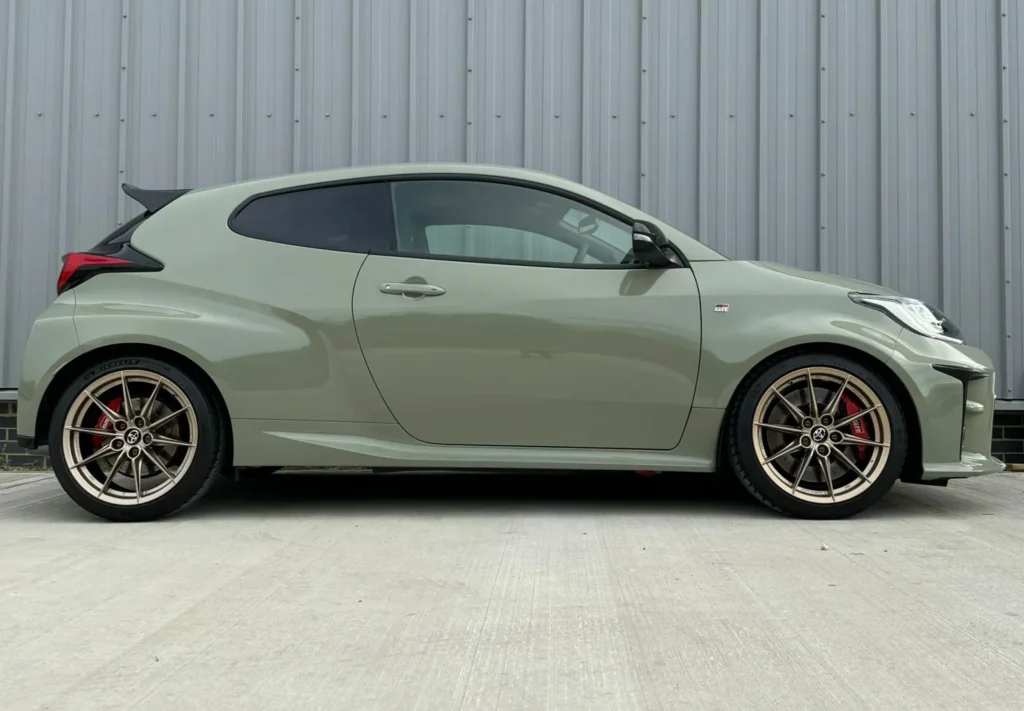
If the shiny trim around your windows, grille and badges feels a bit too “executive saloon” for your taste, a chrome delete is one of the cleanest ways to sharpen up your car’s look without changing the paint.
For UK owners, it’s a popular route to the factory “black pack” style seen on plenty of Audi, BMW, Mercedes and VW models. Done well, it can make a car look more modern, tie in with black wheels or privacy glass, and remove the visual clutter that bright chrome sometimes creates.
The usual question is: how much does it cost, and is it worth it? There isn’t one fixed price. A chrome delete can be a small window-trim job or a full exterior trim change, and those are very different in time, material and skill.
What is a chrome delete?
A chrome delete, also called dechroming, is the process of covering the visible chrome-effect trim on a car. Most jobs use specialist automotive vinyl film in gloss, satin or matte black.
Common areas include window surrounds, grille surrounds, badges, door handle inserts, roof rails, side vents, rear boot trim and lower bumper accents. On many modern cars, the “chrome” is actually chrome-effect plastic rather than plated metal. The aim is the same: swap the bright silver for a darker, cleaner finish.
This isn’t a full wrap. A full wrap changes large painted panels like doors and bumpers. A chrome delete focuses on smaller trim areas, which is why it can shift the look of a car without wrapping the whole thing.
Why UK drivers dechrome a car
Most people who dechrome car trim do it for styling reasons. Chrome can look smart on the right vehicle, but it can also date the design or clash with darker paint and black wheels.
A chrome delete works well if you want a factory black-pack look without replacing every trim piece, if your car already has black wheels or a black roof, or if you prefer a stealthier finish. It’s a good option for luxury SUVs and saloons where the bright trim feels too much, and for lease or finance cars where paint changes aren’t practical.
Blacking out the window surrounds on a silver estate makes the glasshouse look sleeker. Dechroming the grille on a black SUV cleans up the front end.
How to dechrome a car: the basic process
If you’re wondering how to dechrome a car, the professional process is more detailed than sticking black tape over the trim. A good installer will inspect the trim first, clean and prepare the surface (wax and polish residue affect adhesion), pick the right black chrome delete vinyl, apply the film carefully around curves, then trim and finish the edges neatly.
The edge work is where skill shows. Clean lines, safe trimming and secure edges are what separate a tidy job from one that lifts after a few weeks. The installer should also check the finish from different angles for trapped dust, tension marks or exposed chrome.
DIY kits do exist, and some owners get decent results on simple straight trim. But narrow curves, rubber seals, badges and grille sections can be fiddly. If the car is valuable or leased, professional installation is usually the safer route.
How much does a chrome delete cost in the UK?
There’s no universal chrome delete price. Every car has a different amount of chrome, different trim shapes and a different level of coverage. As a broad UK market guide, window-surround work typically starts in the low hundreds, and fuller exterior trim packages usually sit several hundred pounds higher.
Rough ranges for UK owners:
- Small accent work (badges, a single rear trim strip, small grille surround): from the low hundreds.
- Window surrounds only: often around £150 to £300 for a straightforward car, more for larger or awkward designs.
- Partial chrome delete (windows plus selected grille, badge or boot trim): often around £250 to £600.
- Full trim package (windows, grille, badges, handles, roof rails, rear trim): often around £400 to £800, with complex vehicles going higher.
These are deliberately broad. A small hatchback isn’t the same job as a Range Rover with roof rails, grille sections, badges and side trim.
What drives the price up or down
Vehicle size and amount of chrome trim. The more trim there is, the longer the job. A compact car with only window surrounds is quick. A large SUV with chrome roof rails, grille bars, badges, door strips and boot trim needs more film, more cutting and more time. Some smaller cars have surprisingly intricate trim too.
Coverage level. A “chrome delete” means different things to different people. Before comparing quotes, check each installer is pricing the same scope: are badges included, is the grille included, are roof rails included, door handles, rear trim? A cheaper quote may simply cover fewer areas.
Vinyl brand and film quality. Not all vinyl is equal. Better films are easier to apply cleanly, more consistent in finish, and better supported by manufacturer guidance. Gloss black is popular because it often matches factory black trim. Matte can look more subtle but shows marks differently. Satin sits between the two.
Installer skill. A chrome delete is small in surface area compared with a full wrap, but technically awkward. Thin trim, tight corners and visible edges leave little room for error. That experience costs more, but it’s the difference between trim that looks factory and trim that looks wrapped.
Location. Labour rates in London and the South East differ from smaller towns. If you’re searching for chrome delete near me, look beyond distance. Check previous work and ask what film they use.
Trim shape and condition. Some trim is easy to wrap. Other pieces sit tight against rubber seals, badges or sensors and take longer. Damaged or oxidised trim may need extra prep, and vinyl won’t hide underlying imperfections.
Is a chrome delete worth it?
It’s worth it if you dislike the factory chrome and want a cleaner, darker look without a full colour-change wrap. It’s especially effective on cars that already have black accents, privacy glass or dark wheels.
It may not be worth it if you like the contrast chrome gives your car, if you’re selling immediately and don’t know what buyers want, if the trim is damaged and needs repairing first, or if you only want the cheapest possible job.
Think of it as a styling upgrade rather than a guaranteed investment. The value depends on your taste, the vehicle, the quality of the install and how well it’s cared for.
Choosing a chrome delete specialist
When comparing installers, ask practical questions: can I see examples of previous dechroming work, which films and finishes do you offer, what exactly is included in the quote, how are badges and roof rails handled, and what happens if an edge lifts shortly after installation?
For drivers in Surrey, Signatia is a Guildford-based PPF and vehicle protection specialist offering dechroming alongside PPF, detailing and ceramic coating. Its dechroming service covers chrome trim such as window surrounds, grilles and badges with vinyl wrap, typically in gloss or matte black. See the full range on Signatia’s services page or ask about your car through the contact page.
FAQ
Is chrome delete the same as dechroming?
Yes. In everyday use, chrome delete and dechroming mean the same thing: covering or changing chrome-effect trim so it no longer looks silver.
Will a chrome delete damage my car?
A professional vinyl installation sits on top of the trim. Removal results depend on the trim condition, age of the film and how it was installed. Avoid anyone who gives guarantees without inspecting the car first.
How long does a chrome delete take?
Small trim jobs can be done quickly. Fuller packages take much longer. Timing depends on vehicle size, trim complexity and how many areas are covered.
Is chrome delete legal in the UK?
Changing decorative trim is a styling choice, but don’t cover lights, number plates, reflectors, cameras or safety sensors. If in doubt, ask a professional installer before making changes.
Thinking about a chrome delete for your car? Get a free quote from Signatia.