
You’d think the darkest window tint would make a car the coolest, right? That’s one of the biggest myths in car care, and it often leads people to choose a tint that’s illegal or difficult to see through at night. The real secret to a cooler car lies in blocking an invisible force that has very little to do with how dark the window appears.
To understand why, we need to look at what the sun is actually sending our way. Solar energy is made of three parts: Ultraviolet (UV) light that causes interior fading, Visible Light that lets us see, and Infrared (IR) light. Think of infrared as the invisible heat you feel radiating from a campfire—that’s the primary source of the scorching heat baking your car’s cabin.
This is where the difference between tint technologies becomes crucial. Basic, dark films are good at blocking visible light, but they don’t stop much of the heat. In practice, the best car tint for heat reduction is one with high infrared rejection. A premium, nearly clear ceramic film can block over 90% of infrared heat, while a cheap, dark dyed film might only block 15-20%.
What this means for you is simple: you no longer have to sacrifice visibility for comfort. When comparing options like ceramic vs. carbon window tint, you’ll find that modern films allow you to get incredible heat relief without the super-dark “limo tint” look, keeping you both cool and safe on the road.
A Simple Guide to the 4 Main Types of Window Tint
Walk into any tint shop, and you’ll quickly hear terms like “carbon” and “ceramic.” While it might seem complicated, choosing the right window film really boils down to four main types, each offering a different balance of performance and price. Understanding them is the key to not overpaying or being disappointed.
The most basic options are dyed and metallic films. Dyed film is the most affordable, using a layer of dye to absorb sunlight and create privacy. Its heat rejection is minimal, and it can fade and turn purple over time. Metallic film is a step up, using tiny metal particles to reflect heat. The major downside? Those same metal particles can interfere with GPS, mobile phone, and radio signals.
This signal interference is exactly why modern films were developed. Carbon film offers significantly better heat rejection than dyed or metallic options and contains no metal, so your electronics will work perfectly. At the top of the line is ceramic film, which uses advanced, non-conductive ceramic nanoparticles to block the maximum amount of heat without needing to be dark. It provides the best clarity and performance, making it the premium choice for comfort.
Ultimately, choosing the right tint depends on your budget and priorities. Here’s a quick summary:
- Dyed: Best for budget and basic privacy.
- Metallic: Good heat reflection but can block signals.
- Carbon: Great heat rejection with no signal interference.
- Ceramic: The ultimate in heat rejection and clarity.
Now that you know the technology inside the film, the next step is deciding how dark you want to go.
Decoding the Numbers: VLT, Darkness, and the Law
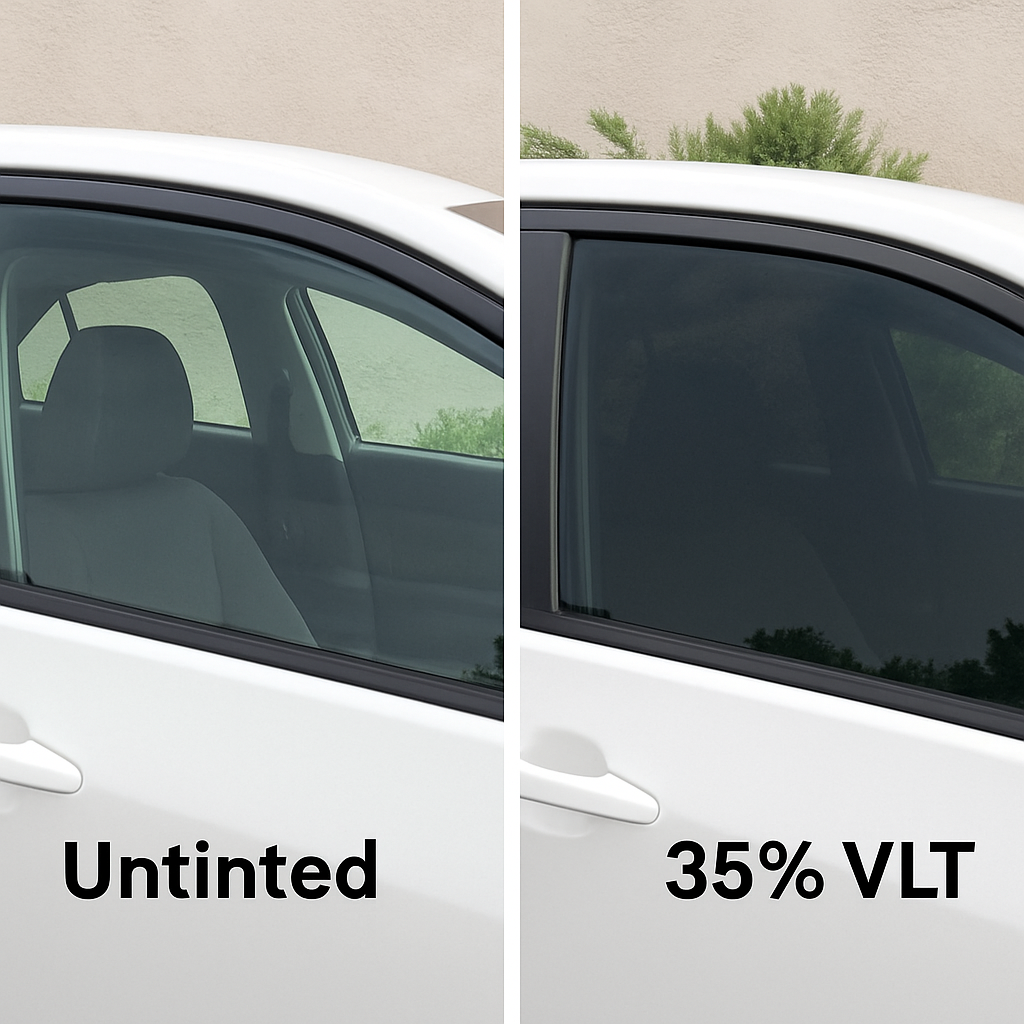
When you hear a tint shop talk about “20%” or “35%” tint, they’re referring to its VLT, or Visible Light Transmission. This is simply the percentage of visible light the film allows to pass through into the car. The key thing to remember is that the relationship is inverse: a lower VLT number means a darker tint. So, a 5% tint is extremely dark, while a 50% tint is much lighter.
To put those numbers into a real-world context, a 35% VLT is a popular choice that provides noticeable privacy and heat rejection without being too dark at night. Dropping to 20% VLT creates a much darker, more private look, but it can reduce your visibility when driving on poorly lit roads. The very dark 5% VLT, often called “limo tint,” makes it nearly impossible for anyone to see inside your vehicle, but it can also make it difficult for you to see out, especially after sunset.
Before you settle on that dark, sleek look, there’s one crucial factor to consider: the law. Every country and region has specific regulations on window tinting, and they are not all the same. Critically, most places have different VLT limits for the front side windows compared to the rear side windows and back windscreen. This is primarily for safety, ensuring the driver maintains clear visibility.
Since the rules vary so widely, checking your local regulations is a must. The easiest way to do this is to perform an online search for “car window tinting laws” followed by your country or region’s name. This quick step will give you the exact percentages you need to know, saving you from a potential fine and the cost of having to remove illegal tint.
How Much Should You Actually Pay for Window Tinting?
So, what’s the price tag for all these benefits? The final cost of getting your car’s windows tinted isn’t a single number; it’s a range that depends on three key things: the type of film you choose, the size of your vehicle, and the skill of the installer. Understanding how these factors work together is the best way to figure out how much car window tinting should cost for you and to set a realistic budget.
The biggest driver of price is the film technology. A basic dyed film is the most affordable option, often costing a couple hundred pounds for a standard saloon. Stepping up to a carbon film, which offers better heat rejection and won’t fade over time, will push the price into a higher tier. For top-of-the-line ceramic tint, which provides maximum heat-blocking power without needing to be super dark, you can expect to pay significantly more, especially for a larger vehicle like an SUV or pickup.
While it might be tempting to jump on the lowest quote, the installer’s skill is a critical part of the equation. A low price can sometimes signal rushed work or a cheap film prone to bubbling and turning purple. A professional job costs more because you’re paying for expertise: a dust-free application, perfectly trimmed edges, and often a lifetime warranty that ensures your investment lasts for years. This is one area where choosing the right tint installer, not just the right price, can save you a lot of headaches down the road.
Why a Professional Installation is Worth the Investment
While DIY window tinting kits seem like a great way to save money, they often lead to frustration. The internet is filled with searches for ‘how to remove window tint bubbles’ for a reason. Without the right tools and a perfectly clean space, it’s nearly impossible to avoid trapping dust, creating unsightly bubbles, or getting crooked, peeling edges. A job that looks bad from day one often gets worse, leaving you with a finish you’ll regret.
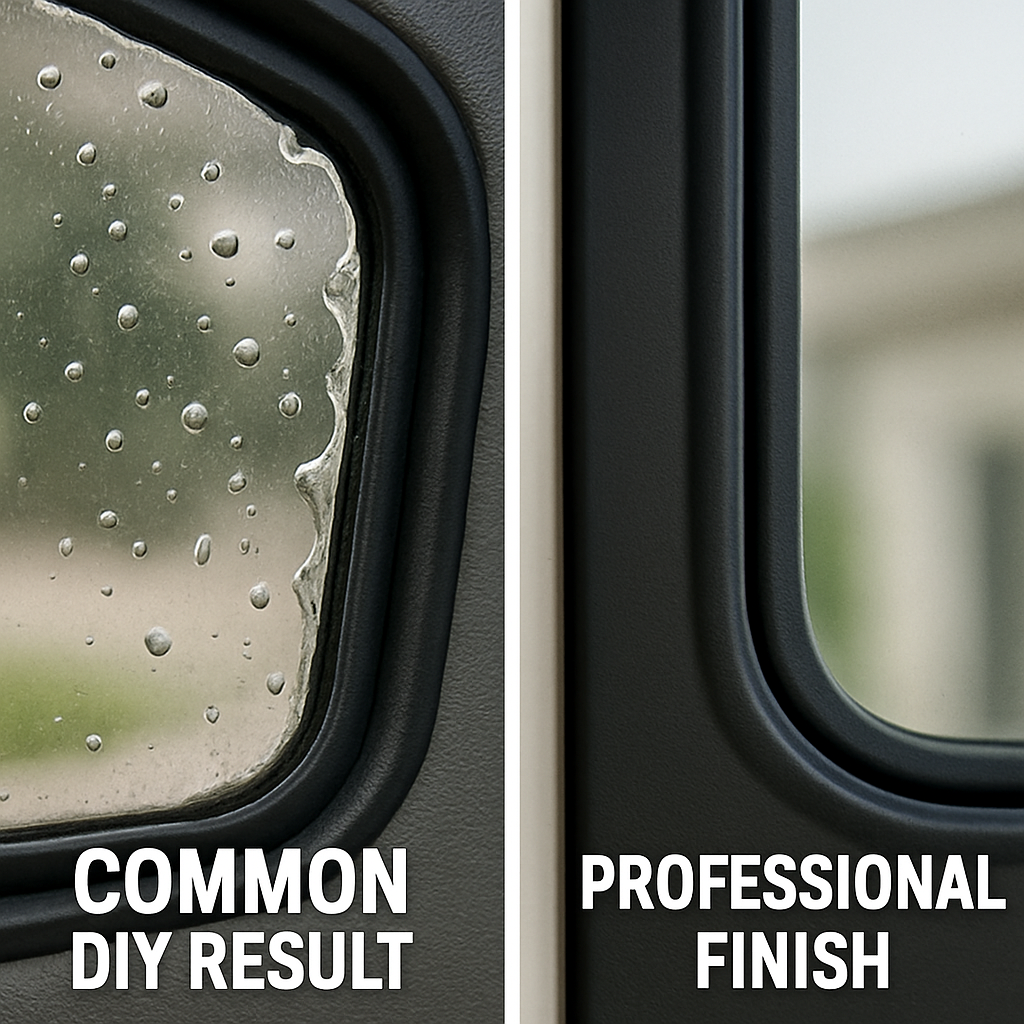
A professional installer avoids these pitfalls by controlling the environment and using specialised techniques. Their workshops are meticulously clean, and they masterfully use a process called heat shrinking. By applying targeted heat, they perfectly mould the flat film to your car’s curved glass. This crucial step is what ensures a flawless, bubble-free fit that looks like it came from the factory, especially on complex rear windscreens.
Beyond the perfect application, the biggest value a pro provides is an installation warranty. Reputable shops stand by their work, often for the lifetime you own your vehicle. If the film ever bubbles, peels, or discolours, they’ll replace it at no cost. This peace of mind transforms your tint from a simple expense into a lasting investment, ensuring your car looks great and performs well for years to come.
The Surprising “Bonus” Benefits of Quality Window Film
The benefits of automotive window film extend far beyond simple privacy and heat reduction. A primary advantage you’ll notice immediately is a dramatic cut in glare. Think of it as a premium pair of sunglasses for your car, making driving much safer and more comfortable by reducing the blinding light from the setting sun or the distracting halos from oncoming headlights at night. This simple change reduces eye strain and helps you stay more focused on the road.
Furthermore, a quality film is one of the best ways to protect your investment. The same UV rays that damage your skin are constantly breaking down your car’s interior, causing dashboards to crack and upholstery to fade. High-performance UV protection car window film blocks over 99% of these harmful rays, acting as a permanent shield. This preserves your car’s interior and resale value for years to come, preventing costly repairs and keeping everything looking new.
Finally, window film adds an often-overlooked layer of safety and security. Because the film is bonded to the glass, it helps hold the pane together if it shatters during an accident or a break-in attempt. This can protect passengers from dangerous flying glass shards. When you combine improved driving comfort, long-term interior preservation, and enhanced safety, it’s clear that professional window tint is more than just a cosmetic upgrade—it’s a smart one.
Making an Informed Choice
Knowing that a film’s real power comes from its ability to block invisible heat and UV rays, not just visible light, allows you to make a choice based on performance, not just appearance. With this insight, you can confidently find the right tint for your needs.
Follow this simple plan for choosing the right tint shade:
- Define Your Goal: Decide if your top priority is heat rejection or privacy and set a realistic budget.
- Check Local Laws: A quick online search for “[Your Country] tint laws” will tell you the legal darkness limits.
- Get Quotes from Pros: Contact reputable workshops to ask about their film brands, warranties, and see examples of their work.
When discussing car window tinting cost, you can now ask smarter questions. Instead of just “How much to tint my car?”, ask: “What’s the price difference between your carbon and ceramic films for a [Your Car Model], and what are their IR heat rejection specs?” This signals you’re an informed customer seeking quality professional window tinting.
By focusing on the technology behind the shade, you can make a smart investment in your vehicle’s comfort, longevity, and security, enjoying the benefits for years to come.