
Ever opened your car door on a summer afternoon and been hit by a blast of heat like an open oven? That scorching seatbelt buckle isn’t just an annoyance; it’s a sign your car is unprotected from the sun. According to the Skin Cancer Foundation, dangerous UV rays can damage your skin even through standard glass.
While many associate tinted windows with a sleek, private look, modern UV-blocking auto film is a powerful functional upgrade. Think of it as high-performance sunglasses for your car, capable of dramatically reducing interior temperatures. However, not all tints are created equal, and the installer’s skill is just as crucial as the film itself. A perfect product applied poorly can lead to bubbling and peeling, making your choice of where to get it done more important than you think.
The 3 Big Wins: What Window Tint Actually Does for You
Beyond aesthetics, modern window film delivers tangible benefits by creating a safer, more comfortable environment inside your car. From the moment it’s installed, a quality tint protects you and your vehicle in three major ways:
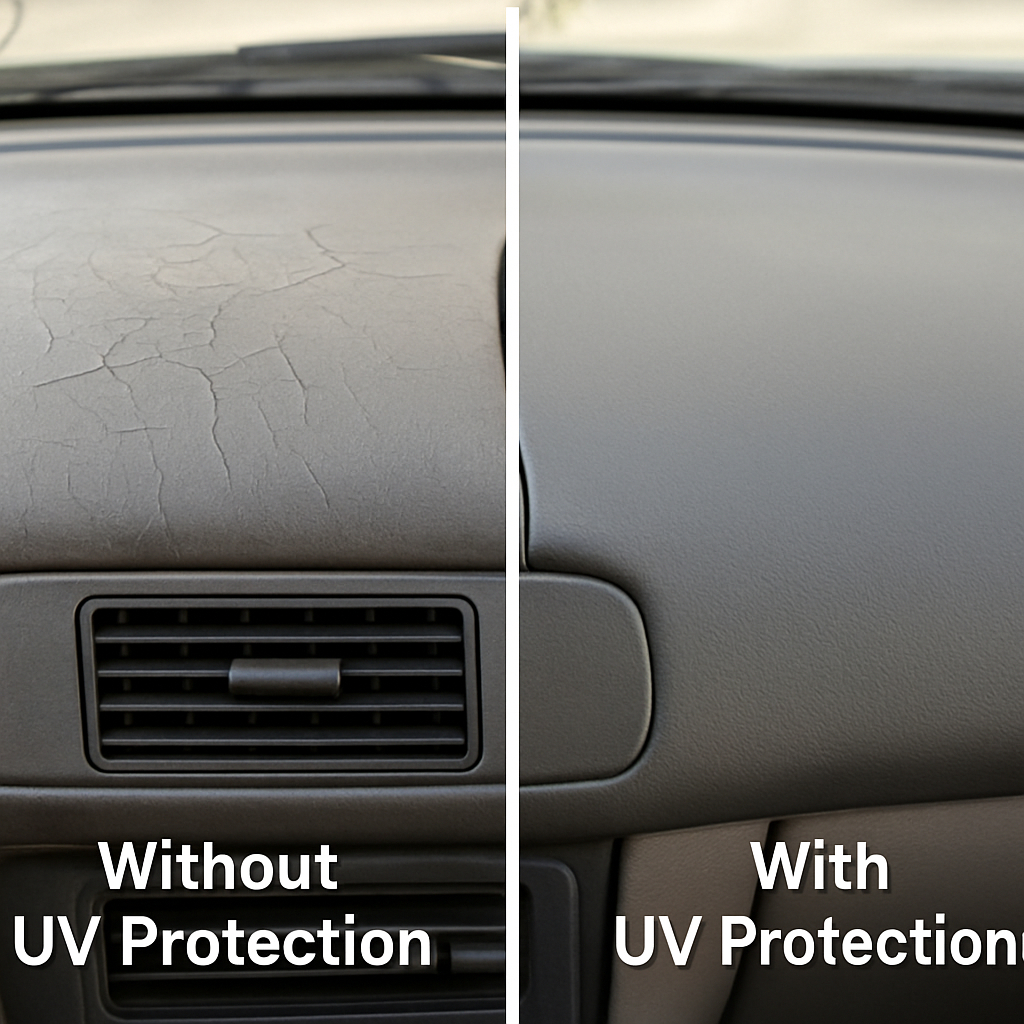
- Sunscreen for Your Car: Just like sunscreen protects your skin, quality window film blocks over 99% of the sun’s harmful UV rays. These are the invisible rays responsible for causing skin damage and for making your dashboard crack and your upholstery fade over time.
- A Cooler Commute: Tint is also engineered to reject heat. It specifically targets the sun’s infrared rays—the ones that create that stifling, oven-like feeling in a parked car. This means a more comfortable cabin and less reliance on blasting your A/C.
- Protect Your Investment: By stopping UV damage before it starts, window tint acts as a shield for your car’s interior. This preserves the look and feel of your seats and dashboard, which helps maintain your vehicle’s resale value.
With these clear benefits, the next logical question is what separates one type of tint from another. Not all films perform equally.
Which Tint is Which? A Simple Guide to Film Types
When shopping for tint, you’ll notice prices vary significantly. The price difference comes down to the technology. They can be broken down into a “good, better, best” ladder, where each step up delivers more performance for your money.
The most budget-friendly option is dyed window film. It gets its colour from a simple layer of dye, which is excellent for achieving that classic dark look and increasing your privacy. While dyed film does a great job of reducing glare, it offers the least amount of heat rejection compared to other types. It’s a solid entry point for looks, but its colour can fade over several years, sometimes turning a purplish hue.
For a major upgrade in both performance and durability, you can step up to carbon film. Instead of dye, this film uses microscopic carbon particles infused into the material. This technology is much more effective at blocking the sun’s heat-causing infrared rays, keeping your car noticeably cooler. A huge advantage of carbon tint is its longevity; the colour is incredibly stable and guaranteed not to fade over time, making it an excellent middle-ground for performance that lasts.
At the very top of the line is ceramic film, the highest-performing option available. The magic of ceramic tint vs carbon tint is its ability to use advanced, non-metallic particles to aggressively target and block heat without needing to be dark. This means you can get maximum heat rejection and UV protection in a lighter, more subtle shade, preserving your visibility while turning your car into a cool oasis.
How Dark is Too Dark? Making Sense of Tint Percentages (VLT)
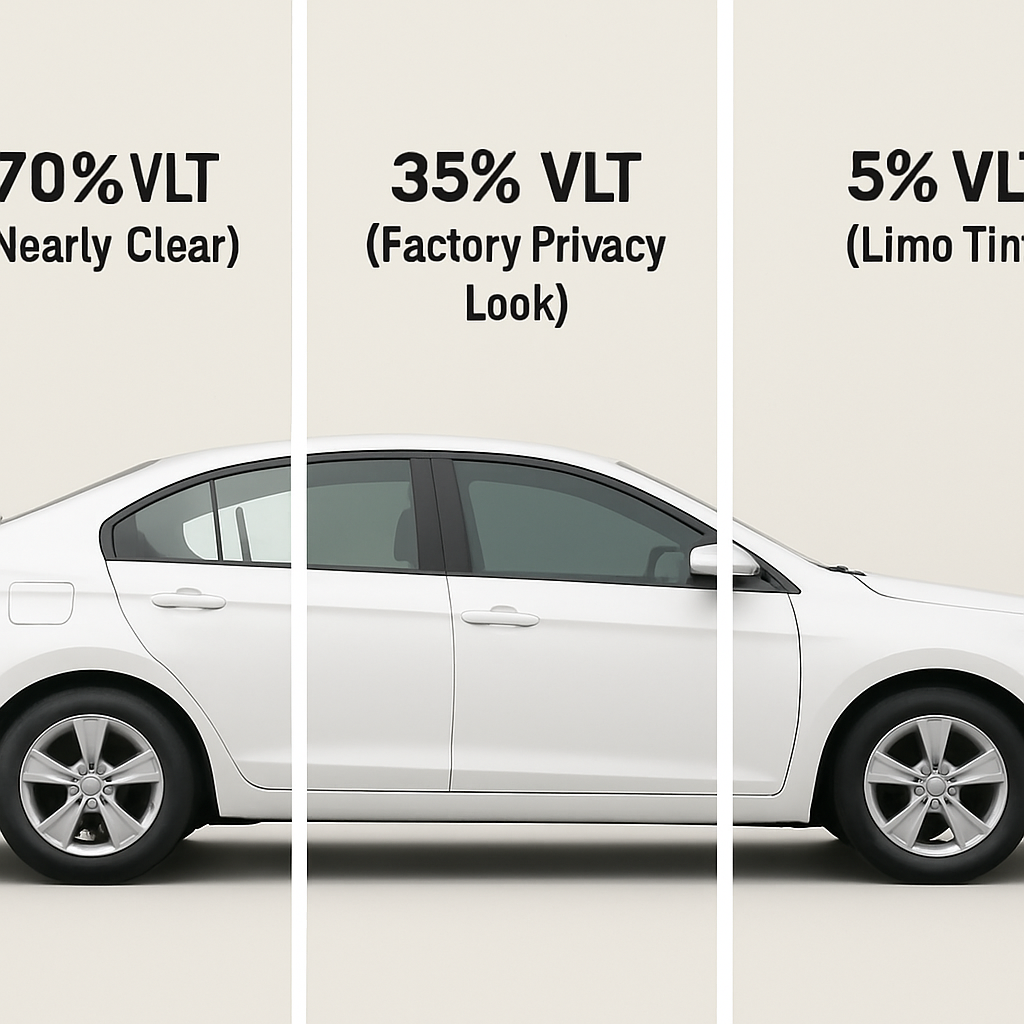
Choosing a tint isn’t just about the type of film; it’s also about picking the right level of darkness. The professional term for this is VLT (Visible Light Transmission), which is the window tint VLT meaning. It simply stands for the percentage of light the film allows to pass through. Remember, it’s an inverse relationship: a lower VLT number means a much darker tint.
A film with 70% VLT is very light, offering heat rejection without a noticeably dark look. A 35% VLT is one of the most popular choices, delivering a great balance of privacy and visibility. Then you have 5% VLT, often called ‘limo tint.’ While it provides maximum privacy, be aware: many drivers find it difficult to see through 5 percent tint at night, which can be a safety concern.
Ultimately, darkness doesn’t always equal performance. A high-quality ceramic film with a light 70% VLT can block far more heat than a dark, budget-friendly dyed film. This gives you the freedom to choose a tint level based on the look you want, not just the heat you want to block. However, personal preference isn’t the only factor; local laws dictate exactly how dark you can go.
Staying on the Right Side of the Law
Before you settle on that perfect dark look, it’s crucial to know that the legal window tint percentage isn’t a national standard. Each state or region sets its own specific rules, meaning a tint that’s perfectly legal in one place could earn you a costly ticket in another. This is the single most important factor to confirm before you schedule an installation.
Surprisingly, these laws often treat different windows on the same car differently. It’s very common to allow a darker tint on the rear side windows and back windshield while requiring a much lighter tint (a higher VLT%) on the driver and front passenger windows. This distinction is primarily for safety, ensuring the driver’s visibility isn’t compromised.
The easiest way to find the exact rules is with a quick online search for “[Your State/Region] window tint laws.” A good installer will know these regulations by heart, which is another key reason why choosing a professional is a smart move. While you’re researching how much does car window tinting cost, remember that avoiding a fine makes professional advice invaluable.
Why a Pro Installer Beats a DIY Kit Every Time
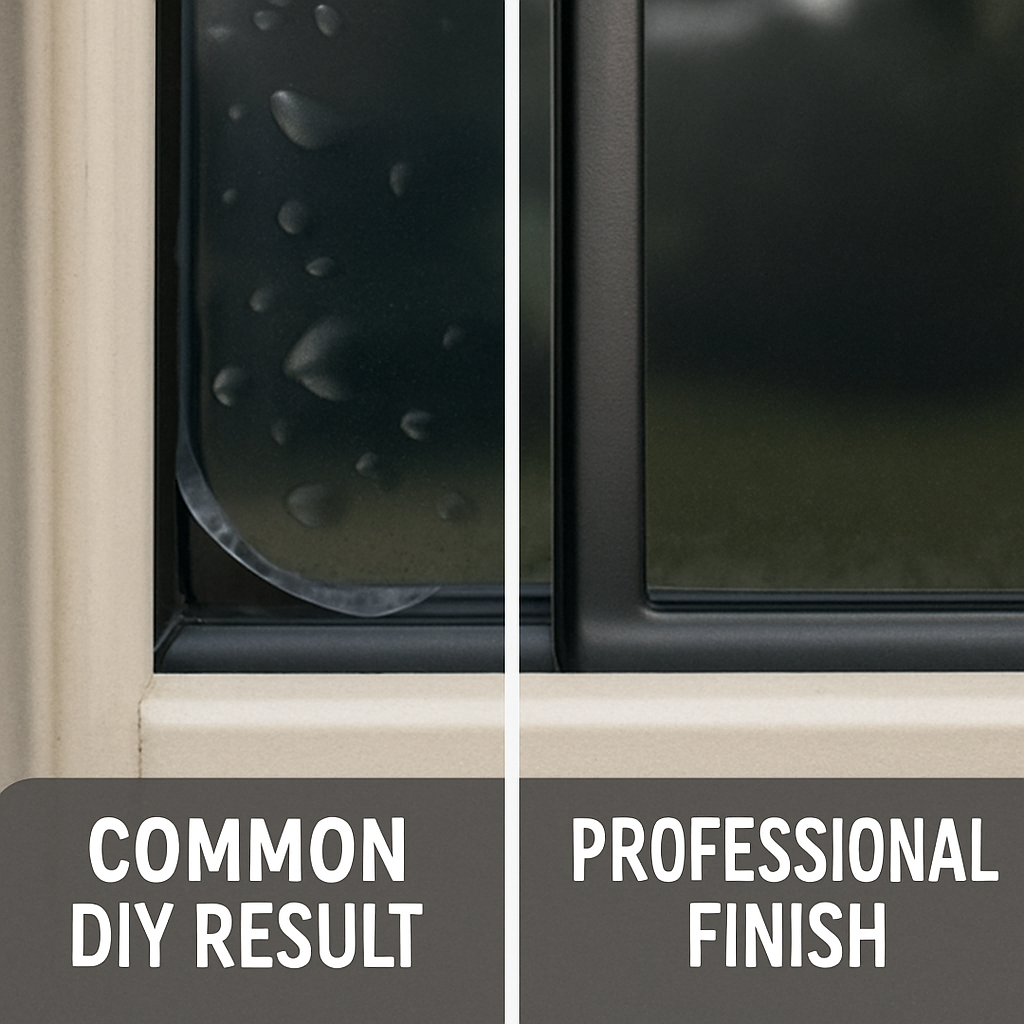
Tempted to search for a DIY car window tinting guide to save a few pounds? The reality is often frustrating air bubbles, trapped dust particles under the film, and edges that start peeling within months. If you are wondering about a window tint bubbles fix, the answer is that once they’re there, they’re usually there to stay.
A professional installer’s secret weapon isn’t just skill—it’s their environment. They work in clean, controlled bays designed to prevent the airborne contaminants that are unavoidable in a home garage or driveway. This pristine setting is the number one reason they can achieve a perfectly smooth, glass-like finish that lasts for years.
Beyond the initial result, consider the cost of a mistake. A failed DIY job means the money spent on the kit is gone. Even worse, the painstaking process of how to remove old car window film can leave behind a sticky, gluey mess, putting you right back at square one.
This is where a professional installer offers the greatest value: the lifetime warranty. Reputable shops guarantee their work, covering both the film and the labour against defects like bubbling, fading, or peeling for as long as you own your car. That long-term peace of mind is an investment in quality no off-the-shelf kit can promise.
The Real Price Tag: What to Expect for Window Tinting Costs
When it comes to how much car window tinting costs, the price is a range based on three key factors: the type of film you select, the size of your vehicle, and the reputation of the installer. A two-door coupé has less glass to cover than a large SUV, which naturally affects the final price.
Higher-performance films come with a higher price tag. The cost difference between ceramic tint vs carbon tint is a perfect example of paying for superior heat rejection. Here are some typical price ranges you can expect for a standard saloon:
- Dyed Film (Good): £150 – £300
- Carbon Film (Better): £250 – £450
- Ceramic Film (Best): £400 – £800+
While tempting, an unusually low quote is often a red flag for a bottom-barrel film that will fade to purple or a rushed job that leaves you with bubbles. A fair price from a professional installer is an investment in quality that lasts.
Your Final Checklist: 4 Questions to Ask Before You Pay
Armed with an understanding of the technology behind the shade, you can walk into any shop ready to make a smart choice. To ensure you get exactly what you pay for, here are four essential questions to ask a professional installer:
- What types of film do you offer and can I see samples?
- What is the heat rejection (IR rejection) on the films you recommend?
- Is your warranty for the lifetime of the car and what does it cover?
- How long does the tint need to cure and what are the care instructions?
Asking these questions shows an installer that you value long-term performance, not just a particular look. You are investing in your vehicle’s comfort, privacy, and protection. Enjoy the cooler, more comfortable ride ahead, you’ve earned it.