
There is nothing quite like the feeling of driving a brand-new motor out of the showroom. The paintwork is flawless, the gloss is deep, and the finish is impeccable. But the moment you merge onto the motorway, your pristine vehicle is under siege from loose gravel, road debris, and the unpredictable British weather.
If you want to preserve that factory-fresh look, investing in Car Protection Film is the smartest decision you can make. Widely known as paint protection film (PPF) or a clear bra in the industry, this innovative transparent layer acts as a physical shield between your vehicle’s paintwork and the hazards of the open road.
Let’s dive into how this technology works and explore the substantial benefits of applying it to your car.
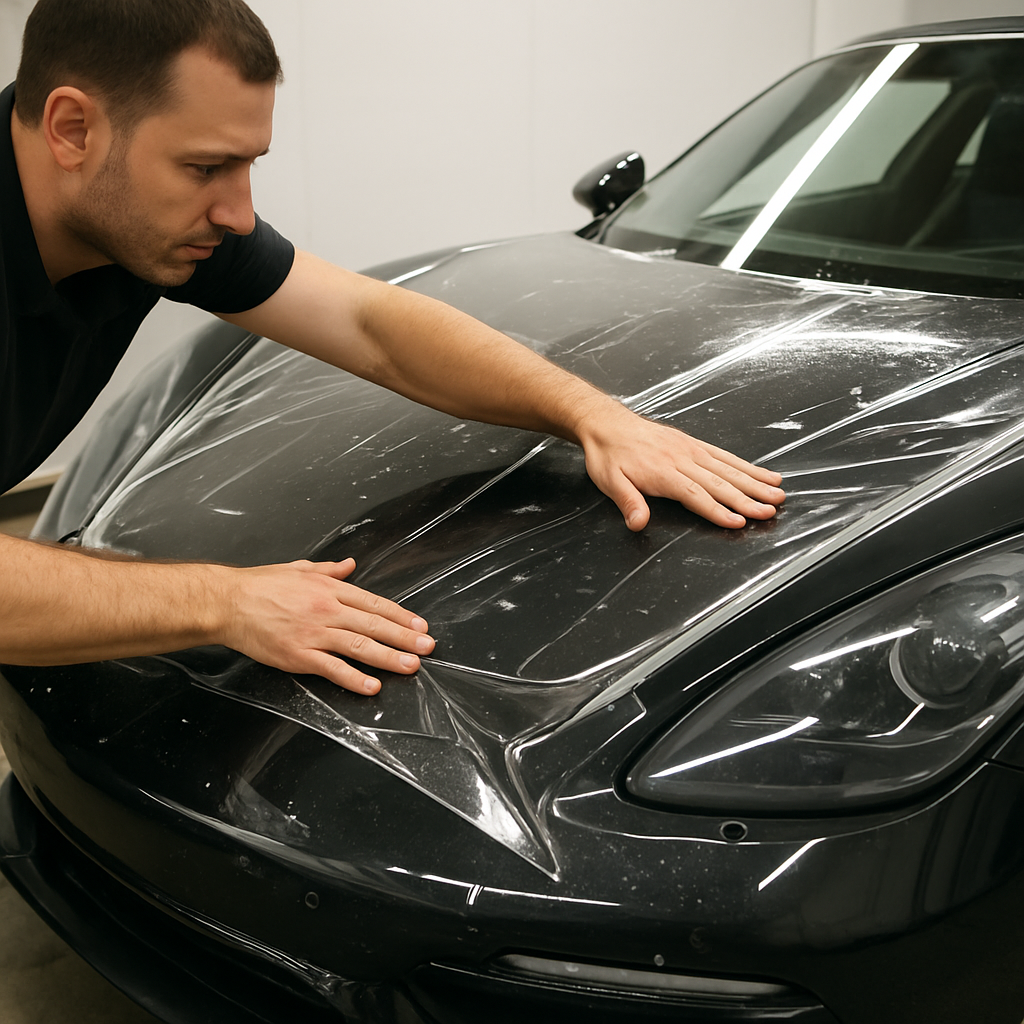
What Exactly is Paint Protection Film?
At its core, PPF is a highly durable, transparent urethane film applied directly to the exterior surfaces of a vehicle. To truly understand its effectiveness, we have to look at the thermoplastic polyurethane film properties that make it up. This material is uniquely flexible, optically clear, and incredibly resilient against high-impact forces.
When vehicle owners start exploring customisation and protection, they often weigh up a vinyl wrap vs clear bra. It is important to note the difference: while traditional car wraps are primarily aesthetic vinyl layers used to change a vehicle’s colour, a clear bra is significantly thicker and engineered specifically for high-level impact defence without altering the car’s original appearance.
The Unmatched Benefits of PPF
1. Defending Against Road Debris
The most immediate advantage of PPF is its remarkable ability in preventing rock chips on car bumpers, bonnets, and wing mirrors. When a rogue stone flies up from the tyres of a lorry ahead, the impact energy is absorbed and dispersed by the thermoplastic film, leaving your original paintwork completely untouched.
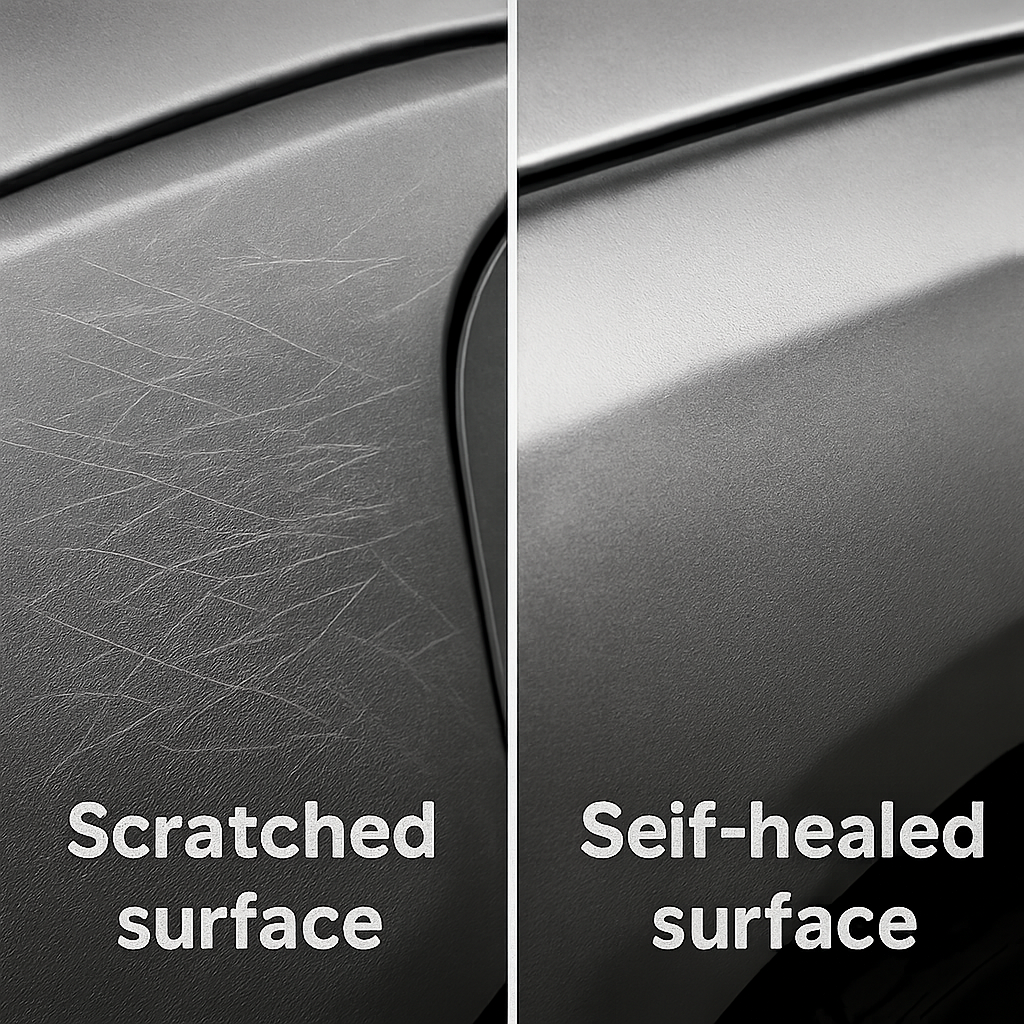
2. The Magic of Self-Healing
Perhaps the most fascinating feature of modern PPF is the self-healing technology benefits. Minor abrasions, swirl marks from poor washing techniques, and light scuffs don’t permanently damage the film. When exposed to heat, whether from the summer sun, warm water, or a detailer’s heat gun, the elastomeric polymers in the film shift back to their original state. This makes repairing scratches on protective layers a completely automated, hands-off process.
3. Ultimate Chemical and Stain Resistance
Natural contaminants are a nightmare for bare clear coats. Highly acidic bird guano, tree sap, and dead bugs can etch into your paint within hours. A quality PPF provides an impermeable barrier, meaning removing bird droppings from vehicle surface becomes exceptionally easy and stress-free.
Furthermore, many top-tier films feature a built-in top layer that offers incredible hydrophobic top coat benefits. This means water beads up and rolls straight off, taking dirt and grime with it, ensuring your car stays cleaner for longer between washes.
4. Halting Fading and Oxidation
Over time, constant exposure to the sun’s harsh ultraviolet rays causes vehicle paint to fade, oxidise, and look dull. Applying a UV resistant automotive wrap like PPF acts essentially as suncream for your car. It blocks harmful radiation, ensuring your bespoke metallic or pearlescent paint job retains its showroom vibrancy for years to come.
Making the Right Choice for Your Vehicle
Ceramic Coating or PPF?
A frequent dilemma in the valeting world is the debate of ceramic coating vs PPF. While both are fantastic products, they serve entirely different primary purposes. A ceramic coating is a liquid polymer that chemically bonds to the paint, offering extreme gloss and chemical resistance. However, it cannot stop a flying stone. PPF provides the physical, impact-absorbing barrier. For ultimate protection, many enthusiasts choose to install PPF first, and then apply a ceramic coating over the top to reap the benefits of both.
How Much Coverage Do You Need?
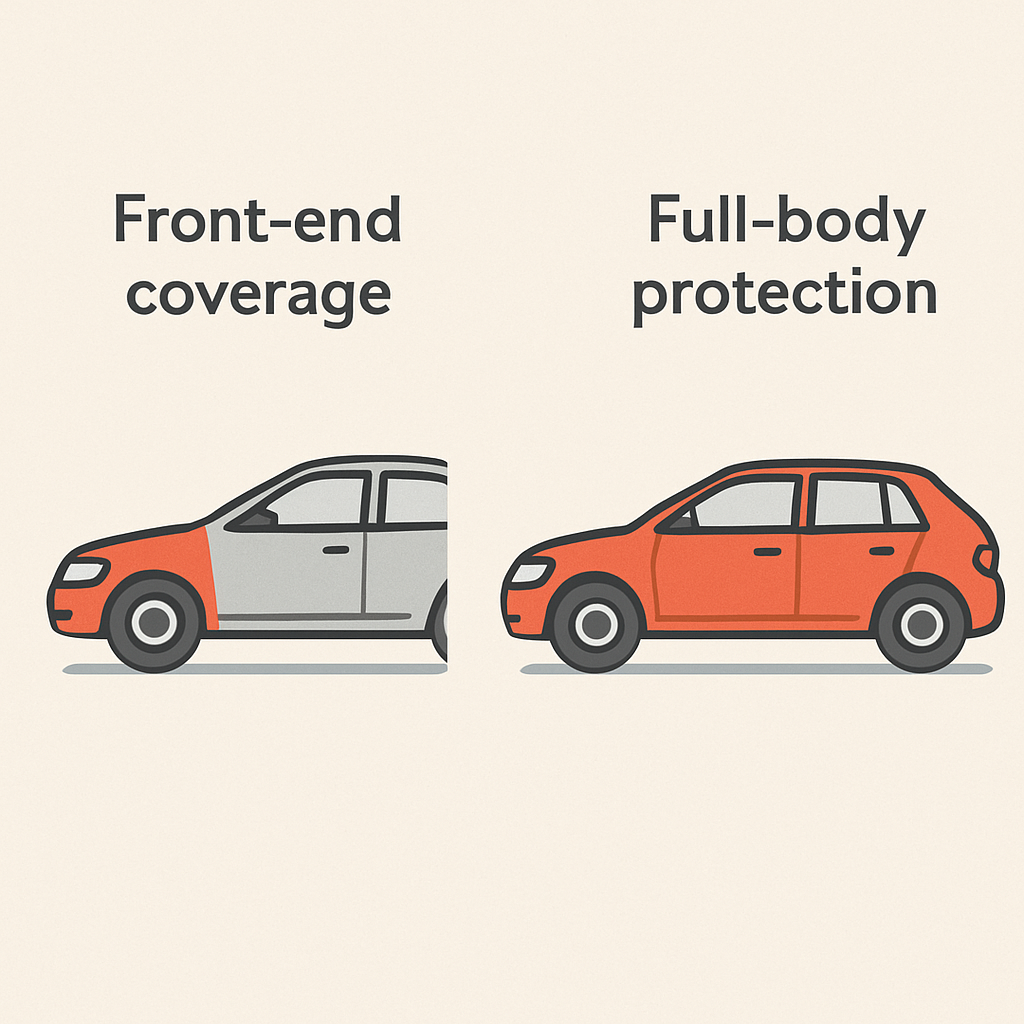
When planning your installation, you’ll need to decide between full body vs front end coverage.
- Front End Coverage: This typically covers the front bumper, the bonnet, the front wings, and the wing mirrors. It is highly cost-effective and protects the most vulnerable “strike zones” of the vehicle.
- Full Body Coverage: Wraps every painted panel on the car. While more of an investment, it offers complete peace of mind against shopping trolley dings in supermarket car parks and malicious keying.
Installation, Maintenance, and Longevity
The Importance of Professional Fitting
Achieving a flawless, invisible car bra installation is an art form. It requires a dust-free environment, specialised slip solutions, and the highly trained hands of a certified technician to ensure the film is stretched seamlessly around complex curves without any unsightly bubbles or peeling edges.
Because of the labour-intensive nature of the work, the cost of professional PPF application can vary greatly. A standard front-end package might set you back between £800 and £1,500, whilst a full-vehicle wrap on a luxury SUV can exceed £4,000.
This naturally leads to the question: is clear bra worth it? If you value keeping your car in immaculate condition, plan to keep the vehicle for several years, or want to maximise its resale value, the answer is a resounding yes. The cost of respraying a severely chipped bonnet often outweighs the price of front-end protection.
Caring for Your Investment
If you are wondering how long does PPF last, you’ll be pleased to know that high-quality films from reputable brands typically come with warranties ranging from 7 to 10 years against yellowing, cracking, and peeling.
Maintaining clear protective wrap is thankfully straightforward:
- Two-Bucket Wash Method: Always use a pH-neutral car shampoo and a microfibre wash mitt.
- Avoid Harsh Chemicals: Steer clear of petroleum-based solvents or abrasive cutting compounds.
- Careful Pressure Washing: Keep the pressure washer lance at least a metre away from the edges of the film to prevent lifting.
Final Thoughts
Your car is subjected to a relentless barrage of hazards the second it turns a wheel on the tarmac. By harnessing the advanced properties of Car Protection Film, you are investing in proactive defence rather than reactive repairs. Whether you opt for a practical front-end package to deter motorway stone chips or a full-body shield to preserve a rare paintwork colour, PPF ensures your motor continues to turn heads for all the right reasons.