
Owning a prestige vehicle is an exhilarating experience. From the refined purr of the engine to the bespoke stitching on the leather seats, every detail is engineered for perfection. However, the moment you drive that masterpiece out of the showroom, it faces an onslaught of environmental hazards. Stone chips on the motorway, bird droppings, harsh UV rays, and improper washing techniques can quickly degrade that flawless finish.
If you are looking for the complete paint protection method for keeping a high-value car looking new, you have come to the right place. Proper paint protection for high-value cars isn’t just a luxury; it is a vital investment in preserving your vehicle’s aesthetic and financial value.
In this comprehensive guide, we will break down the ultimate strategy for luxury car protection, taking you from the initial preparation stages to advanced coatings and long-term maintenance.
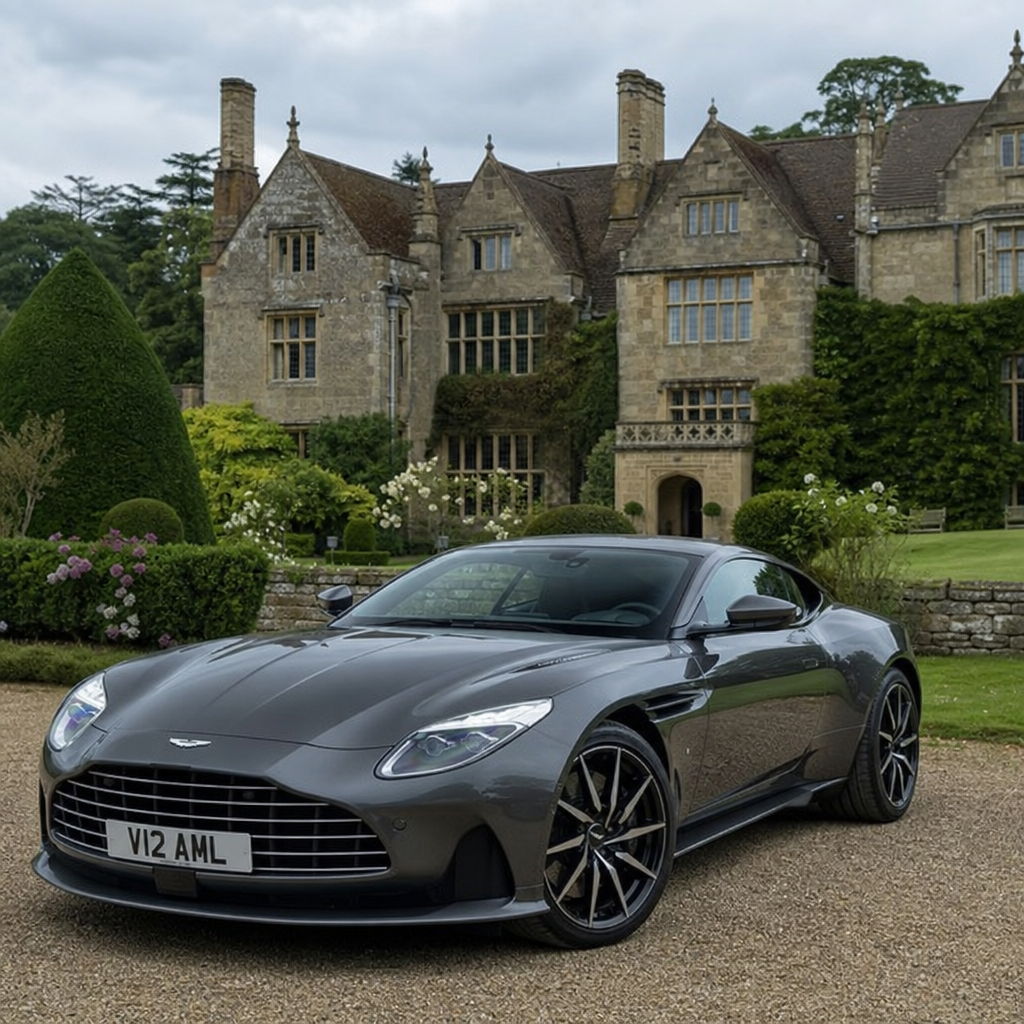
Phase 1: The Foundation – Decontamination and Correction
You wouldn’t build a mansion on uneven ground, and the same logic applies to vehicle aesthetics. Before applying any protective layers, the paintwork must be absolutely flawless. Even brand-new cars delivered straight from the dealership often have minor imperfections, transit damage, or microscopic contaminants embedded in the clear coat.
Thorough Chemical and Physical Decontamination
The first step top-tier car detailing services take is a rigorous wash and decontamination. This involves removing iron fallout from vehicle surfaces—a common issue caused by brake dust and railway lines during transit. Chemical fallout removers dissolve these embedded iron particles, turning them purple before they are safely rinsed away.
Next comes the physical decontamination. A thorough clay bar decontamination for luxury cars is essential here. The detailer glides a detailing clay over the lubricated paintwork to pull out microscopic bonded contaminants, leaving the surface feeling as smooth as glass.
Achieving Perfection
Once clean, the vehicle undergoes a multi-stage paint correction process. Using various grades of machine polishes and pads, a professional detailer will level the clear coat, permanently removing swirl marks, holograms, and light scratches. This step restores the deep, mirror-like clarity that high-end vehicles are renowned for.
Phase 2: The Physical Barrier – Paint Protection Film (PPF)
With the paintwork looking pristine, it is time to lock in that perfection. The most robust defence against physical damage is Paint Protection Film, commonly referred to as PPF.
What is an Automotive Paint Shield?
PPF is a virtually invisible, micro-thin layer of thermoplastic urethane applied over the car’s panels. Think of it as a heavy-duty automotive paint shield. It is designed to absorb the impact of road debris, preventing it from chipping the underlying paint.
For exotic and sports cars with low, aerodynamic fronts, a partial application might seem sufficient. However, a full-body clear bra installation for exotic cars is increasingly the gold standard, ensuring every inch of the car is shielded from harm.
The Magic of Self-Healing
One of the most remarkable features of modern PPF is the self-healing properties of polyurethane film. If you accidentally brush against a hedge on a narrow country lane or wash the car slightly too aggressively, the resulting micro-scratches aren’t permanent. When exposed to heat—either from the sun on a warm afternoon, warm water, or a heat gun—the elastomeric polymers in the film rearrange themselves, causing the scratches to vanish before your eyes.
Phase 3: The Chemical Barrier – Advanced Coatings
While PPF provides unmatched physical protection, it is not impervious to chemical stains or water spots. This is where nanotechnology steps in.
Ceramic vs. Graphene
By applying a liquid polymer coating over the PPF (or directly onto the paint for areas not covered by film), you create a permanent or semi-permanent bond with the surface.
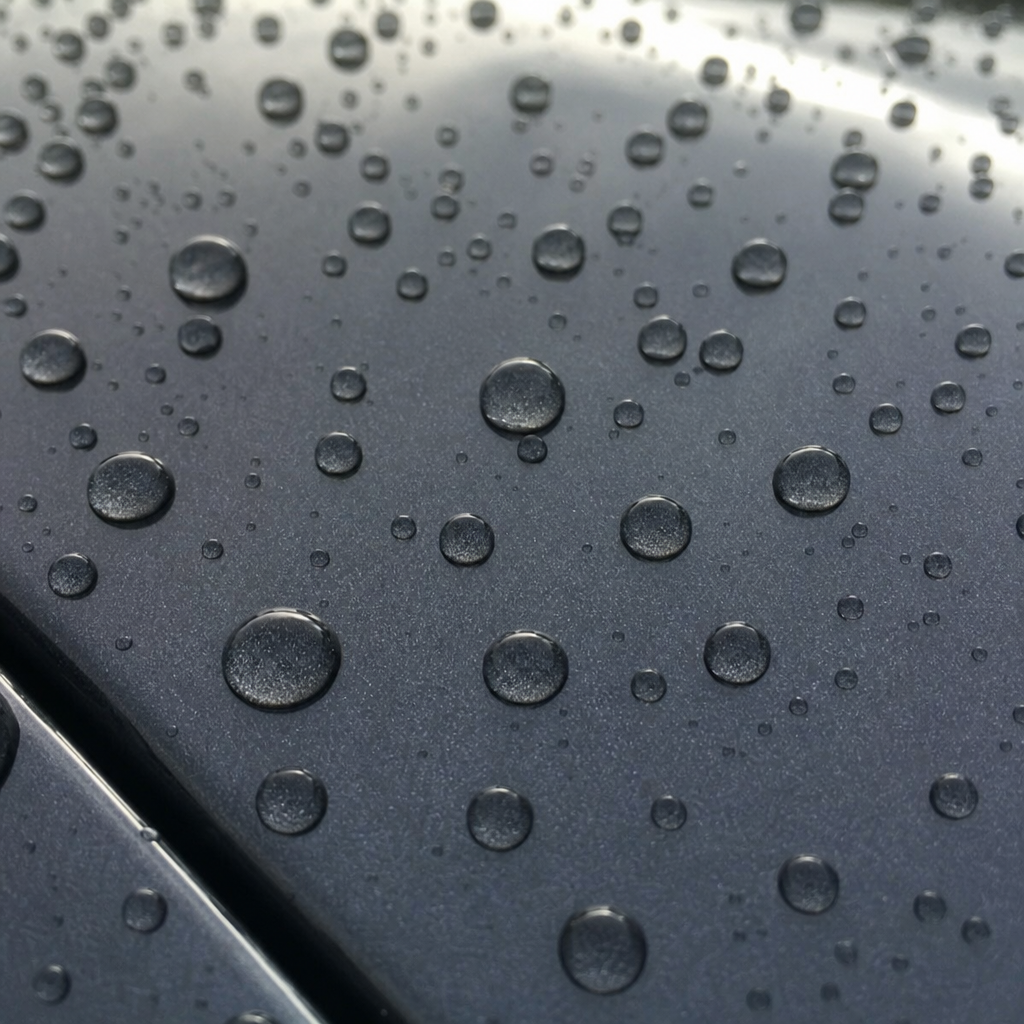
When discussing ceramic coating benefits, the most notable advantage is chemical resistance. These coatings provide incredible defence against bird droppings, tree sap, and acid rain. Furthermore, protecting car paint from UV oxidation is a primary function of these coatings, preventing the rich colour of your car from fading or turning yellow over time.
Recently, the industry has seen a debate regarding graphene coating vs nano ceramic technology. Graphene coatings infuse graphene-oxide into the ceramic base, which is said to reduce the surface heat of the paint, thereby lowering the likelihood of hard water spots forming. Both are excellent choices, but graphene often provides a slicker feel and slightly better anti-static properties.
The Value Proposition
Many owners ask about the professional ceramic coating cost vs value. While professional application requires a financial outlay, the value is undeniable. Not only does it preserve the vehicle’s resale value, but the hydrophobic car coating benefits mean water and dirt simply slide off the surface. This drastically reduces the time, effort, and cost associated with washing the car.
A Common Misconception
It is worth addressing a very common question: does ceramic coating stop rock chips? The definitive answer is no. Ceramic and graphene coatings are fantastic for chemical resistance, UV protection, and gloss enhancement, but they are too thin to absorb the blunt force trauma of a flying stone. This is exactly why the “complete method” requires both PPF and a coating.
Phase 4: The Ultimate Synergy
When enthusiasts research ceramic coating vs paint protection film, they often view them as an either-or decision. In reality, they serve two entirely different purposes.
The ultimate paint protection method is a layered approach:
- Paint Correction: To perfect the base.
- PPF: For impact protection and self-healing.
- Ceramic/Graphene Coating: Applied over the PPF to provide hydrophobicity, slickness, and chemical resistance.
This combination ensures that your luxury vehicle is shielded from virtually every hazard the road can throw at it.
Phase 5: Long-Term Maintenance and Aftercare
Even with the best protection in the world, neglect will eventually dull your vehicle’s finish. Proper vehicle paint maintenance is the final, ongoing step in this complete method.
Master the Safe Wash
The majority of paint defects are inflicted by the owners themselves during the wash process. If you want to know how to prevent swirl marks and scratches, you must abandon the traditional sponge and single bucket.
Instead, adopt the following safe-wash protocol:
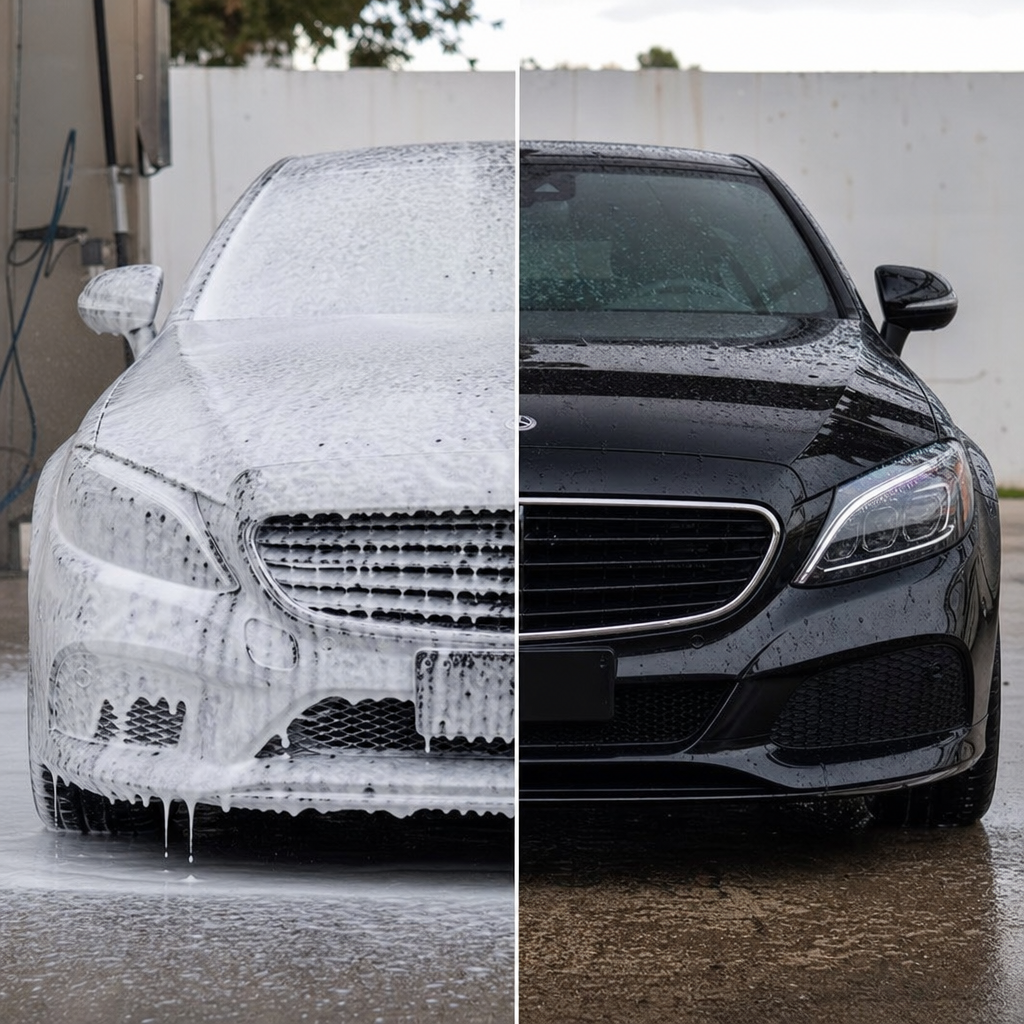
- Pre-Wash: Use a snow foam lance to blanket the car in thick foam. This softens and lifts heavy dirt without you having to touch the paint.
- The Two-Bucket Method: Use one bucket filled with soapy water and a second bucket filled with clean water for rinsing your wash mitt. Always use grit guards at the bottom of your buckets to trap dirt.
- The Right Tools: Only use premium microfibre wash mitts and plush microfibre drying towels (or a forced-air car dryer) to minimise friction.
Select the Right Chemicals
Because your car is coated, you must avoid highly acidic or alkaline traffic film removers. Always use a pH-neutral car wash soap for protected paint. These gentle shampoos clean the dirt away without degrading the hydrophobic layers of your ceramic coating or drying out your PPF.
Adapt to the Weather
Finally, keep an eye on the calendar. Implementing seasonal maintenance for paint protection systems ensures the longevity of your investment.
- Winter: British roads are heavily salted during the colder months. Salt is highly corrosive. Ensure you regularly rinse the undercarriage and the lower panels of the car. You may also want to apply a ceramic top-up spray for an extra sacrificial layer against winter grime.
- Summer: Tree sap and insect impacts are highly acidic. Keep a quick detailer spray and a clean microfibre cloth in the boot to gently wipe away bugs or bird droppings as soon as they land, before they can bake into the coating under the summer sun.
The Takeaway
Protecting a luxury vehicle goes far beyond a quick wax on a Sunday morning. By combining meticulous preparation, the physical shielding of Paint Protection Film, the chemical resilience of advanced nanotechnology coatings, and disciplined wash routines, you create an impenetrable barrier around your prized possession.
Ultimately, maintaining showroom shine on high-end vehicles is about proactivity. By investing in this complete method from day one, you ensure your vehicle doesn’t just turn heads today, but continues to look fresh, flawless, and brilliantly new for years to come.