
Vehicle paint protection helps keep your car’s paintwork cleaner, glossier, and better defended against the realities of UK driving, motorway grit, rain, road salt, bird droppings, UV exposure and everyday wash marks. The right choice comes down to how you use the car, how long you plan to keep it, and whether you’re after appearance, physical protection, easier maintenance, or a mix of all three. Signatia, a Surrey-based detailing specialist covering Guildford, Woking and the wider county, offers wax and sealant, ceramic coating, and PPF, with a proper assessment before anything gets applied.
Which vehicle paint protection option is right for your car?
The best car paint protection isn’t a fixed answer. It’s whatever matches your vehicle, your budget and your expectations. Wax and sealant give you accessible gloss and short-term protection. Ceramic coating suits owners who want stronger chemical resistance and easier washing. Paint protection film, or PPF, offers the most physical protection against stone chips and general wear. There’s no single “best paint protection for cars” across the board, just the option that fits how the car actually gets driven.
A daily driver racking up motorway miles around Surrey has different needs from a weekend car kept indoors. A newer or higher-value car might benefit from protection from day one, before road rash and wash marks build up. A car being prepped for sale may need better gloss and presentation more than the highest level of long-term protection.
The main vehicle paint protection options
Most car paint protection falls into three broad categories. Each improves appearance and helps preserve the paintwork, just in different ways.
Wax and sealant
Wax and sealant are the most familiar type of protection. They sit on top of the paint and add gloss, slickness and a light barrier against dirt and grime. They’re a sensible pick for owners who want the car looking sharper without spending on something pricier.
Say you’ve got a family hatchback or company car that’s washed regularly and driven in all weathers: wax or sealant makes maintenance easier and gives the paint a richer finish. It’s also handy when prepping a car for sale, since clean reflections and a cared-for look can make a real difference to how the vehicle presents.
The catch is durability. Wax and sealant need more frequent top-ups than ceramic coating or PPF, and neither will stop stone chips from motorway grit.
Ceramic coating
Ceramic coating bonds to the paintwork, creating a harder, slicker, hydrophobic layer. Owners who want strong gloss, easier washing and better resistance to dirt, water and grime than traditional wax tend to go this route.
It’s often the best car paintwork protection for drivers who care about appearance but still use the car day to day. A ceramic-coated car is generally easier to clean after wet winter drives, muddy lanes or long motorway runs. It won’t make the car immune to damage, but it can cut down how stubborn the grime gets and help the finish stay fresher with regular care.
Ceramic coating works particularly well on newer cars, darker colours, and vehicles where swirl marks would show up fast. If shine plus easier upkeep is the priority, it may be the best automotive paint protection for your situation.
Paint protection film, or PPF
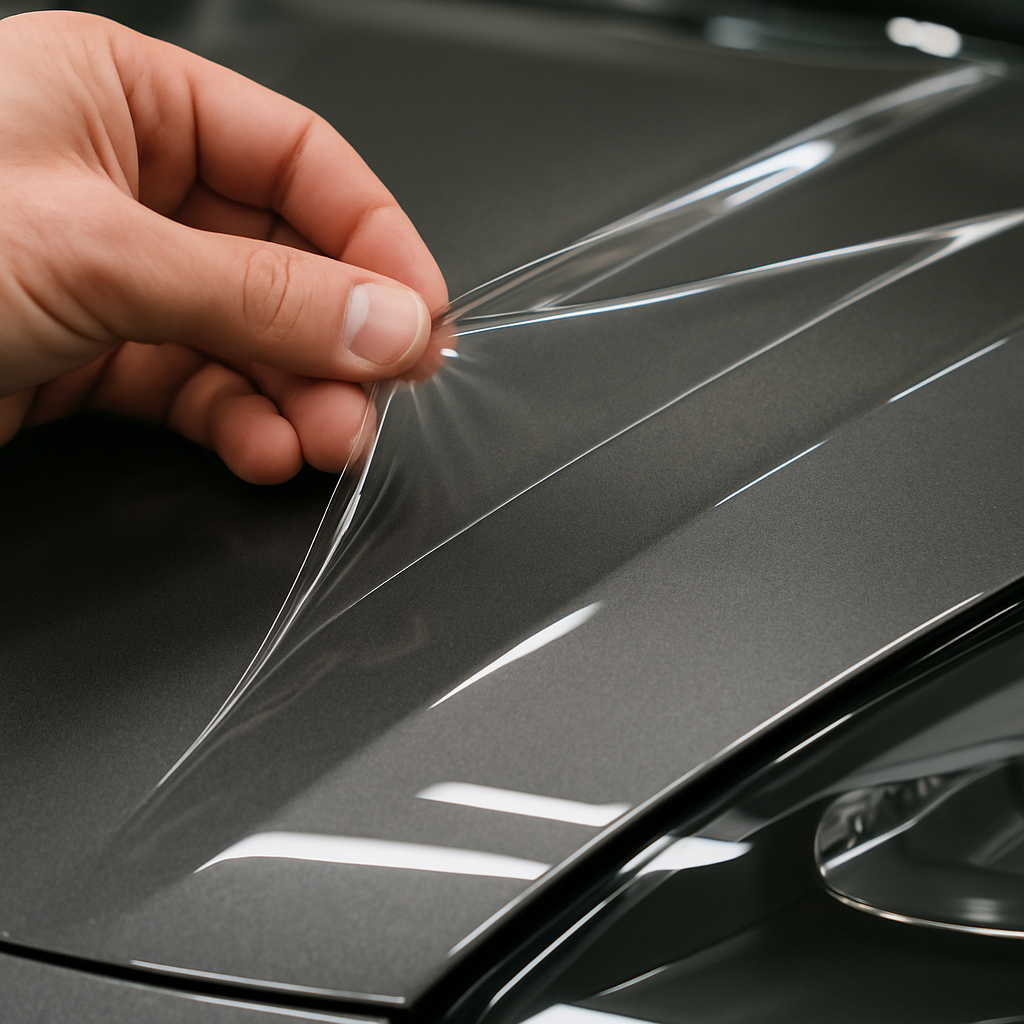
PPF is a clear film applied over painted panels to form a physical barrier. It offers the strongest defence against stone chips, light abrasions and high-wear spots such as front bumpers, bonnets, wing mirrors, sills and door edges, more than wax, sealant or ceramic coating can manage.
PPF makes particular sense for newer, performance, prestige or high-value cars, especially when it’s fitted from the start. It also suits cars covering regular motorway miles, where grit and debris can quickly mark up vulnerable front-end paintwork.
Some owners go for targeted PPF on the areas most likely to take a hit, while others prefer full coverage. If physical protection matters more than gloss, PPF is usually the one to look at first.
How to choose between wax, ceramic coating, and PPF?
Choosing between these options gets a lot easier once you weigh up four practical factors: budget, how long you’ll keep the car, driving conditions and priorities. Start with how the car actually lives day to day, not with the most expensive product on the list.
Use these as a rough starting point:
- Wax or sealant works if you want an affordable gloss boost, short-term protection, or a tidy finish before selling.
- Ceramic coating suits you if you’re keeping the car, want easier washing, and value gloss, water behaviour and chemical resistance.
- PPF is worth it if stone chips, road rash and physical wear are your main concern, especially on a newer or higher-value car.
- Combining ceramic coating and PPF makes sense if you want impact protection in key areas plus slickness and easier maintenance elsewhere.
- Mileage and roads matter too. Motorway driving, winter salt, country lanes and exposed parking all push up the case for stronger protection.
- Match the protection to your ownership plans. A car you’re keeping for years can justify a more durable option than one you plan to sell soon.
When comparing the best car paint protection options, don’t choose on reputation alone. A well-chosen, professionally applied mid-level option often does more for you than an over-specified treatment that doesn’t fit your needs.
Paint condition matters before protection
Paint protection works best on a surface that’s clean, sound and properly prepped. If the paint already has swirl marks, dullness, light scratches, water spotting or old grime, those defects can still show through once protection goes on.
That doesn’t always mean full correction is needed. But some paint refinement may be worth considering if the car is dark-coloured, recently machine washed, or being prepped for ceramic coating or PPF. The goal is simple: protect the best possible version of the paint, rather than sealing in imperfections you could have sorted first.
For a car showing light wash marks, a professional assessment can help work out what’s purely cosmetic and what actually needs attention beforehand.
Professional paint protection service expectations
A professional service should start with a conversation about the car, how you use it and what result you’re after. Signatia offers paint protection services including PPF, detailing and ceramic coating for drivers across Guildford, Woking and wider Surrey, with recommendations tailored to the vehicle and the option chosen.
Expect the car’s current condition to get assessed before any recommendation is made. The approach varies depending on paint age, existing marks, panel shape, desired coverage, and whether wax, sealant, ceramic coating or PPF is going on. A good provider will tell you what’s worthwhile, what’s unnecessary, and how to look after the finish afterwards.
FAQ
Is ceramic coating better than wax? Ceramic coating usually lasts longer, handles water better, and cleans up more easily than wax. Wax still works well if you want budget-friendly gloss or short-term presentation.
Does PPF last longer than ceramic coating? PPF is a different type of protection altogether, since it’s a physical barrier. It’s generally chosen for impact and abrasion resistance, while ceramic coating is chosen for gloss, slickness and easier upkeep.
Can ceramic coating and PPF be combined? Yes. Plenty of owners use PPF on high-impact areas and ceramic coating over the painted or protected surfaces to improve slickness and make cleaning easier.
How do I know which option suits my car? Think about your budget, mileage, parking, how long you’ll keep the car, and whether appearance, protection or both matter most. A professional assessment can then narrow it down.
A smarter way to protect your paintwork
The best car paint protection isn’t about picking the priciest product. It’s about matching the right protection to your car’s condition, value, use and future plans. Wax and sealant suit simple gloss and short-term defence, ceramic coating offers a strong balance of appearance and maintenance, and PPF gives the highest level of physical protection for vulnerable panels.
If PPF looks like the right route, you can find out what to expect from PPF cost in the UK before deciding. For tailored advice, contact Signatia and talk through the vehicle, your driving habits and the finish you’re after.
Get in touch with Signatia to discuss the right paint protection option for your car.